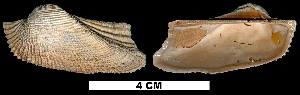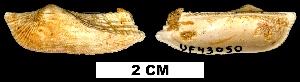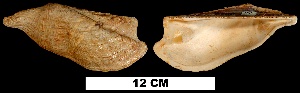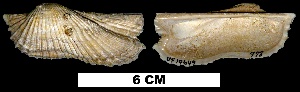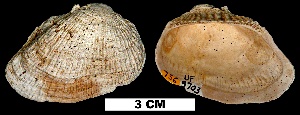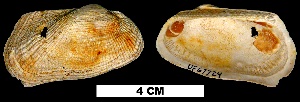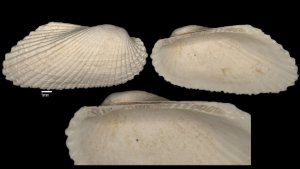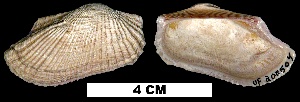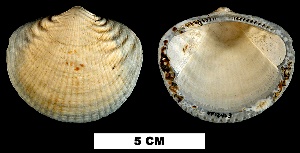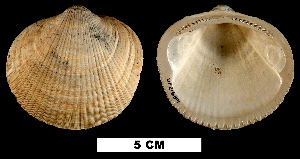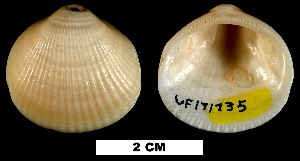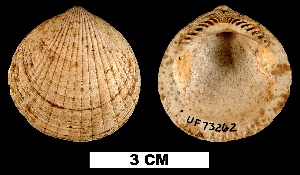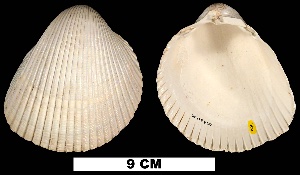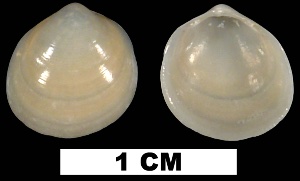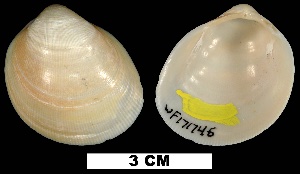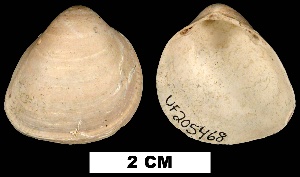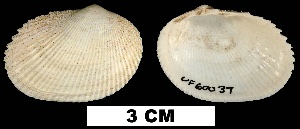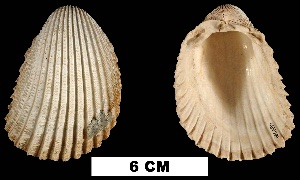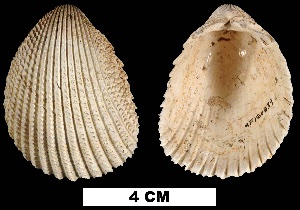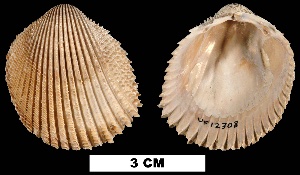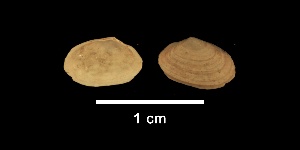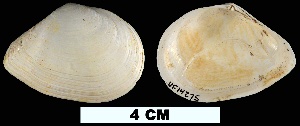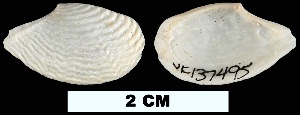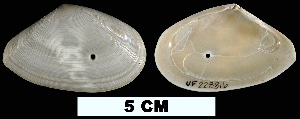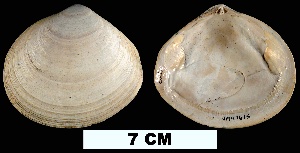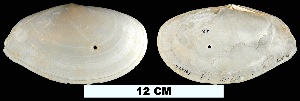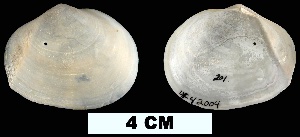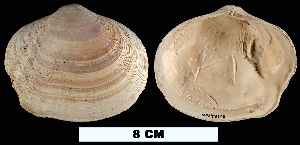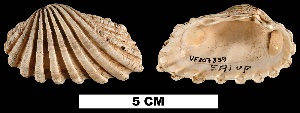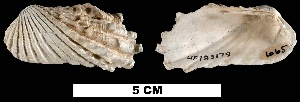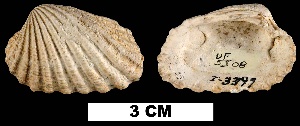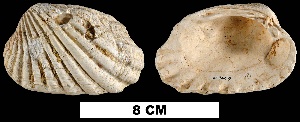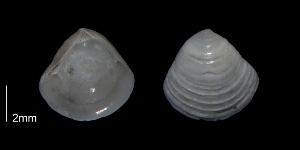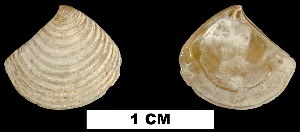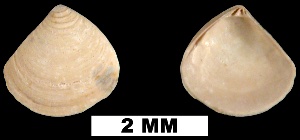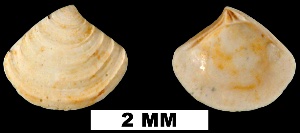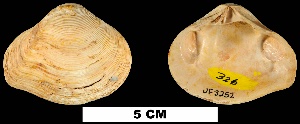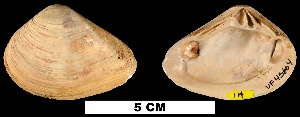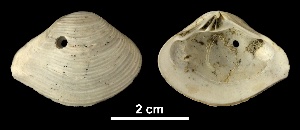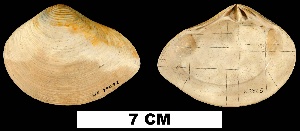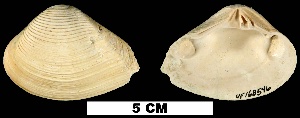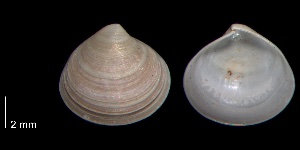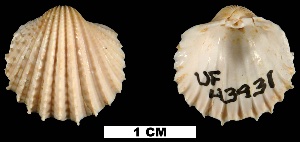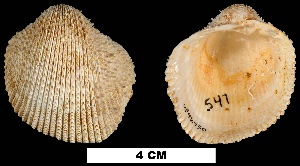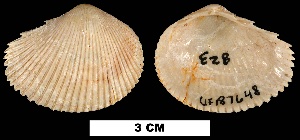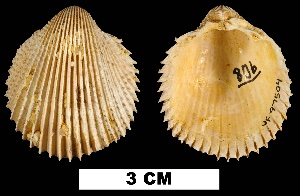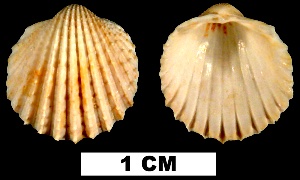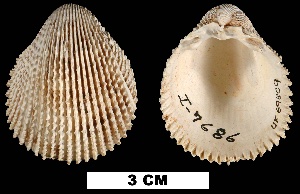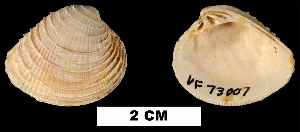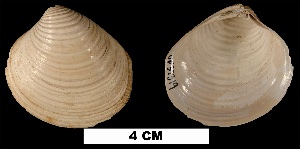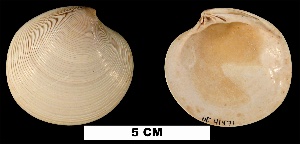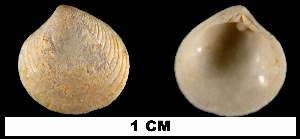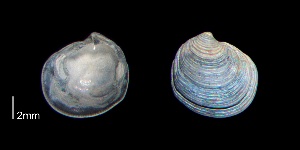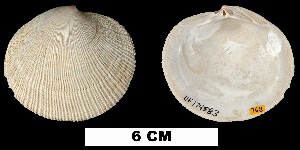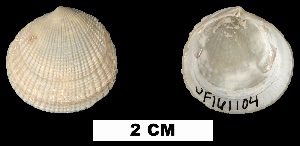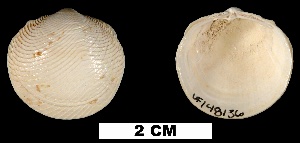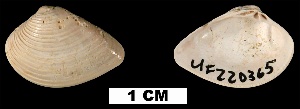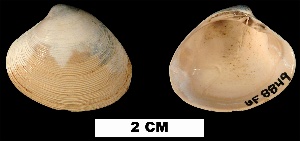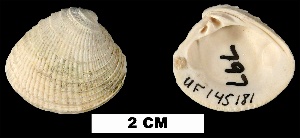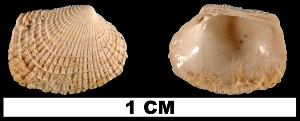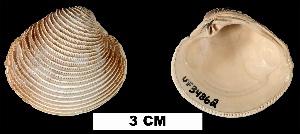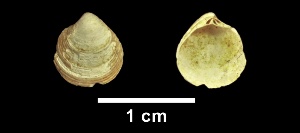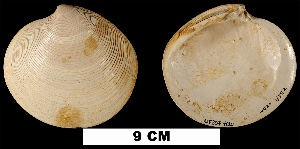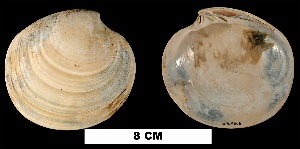
Bivalvia
Remarks
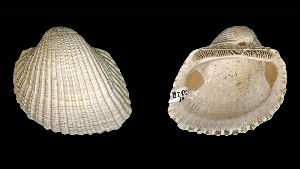
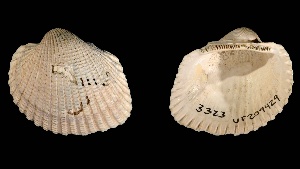
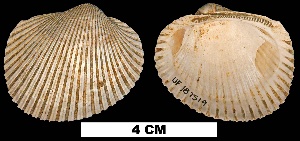
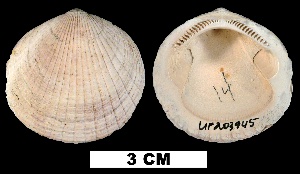
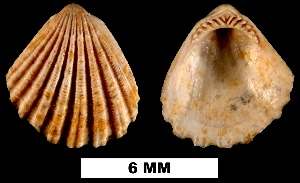
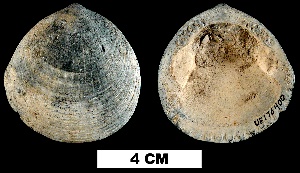
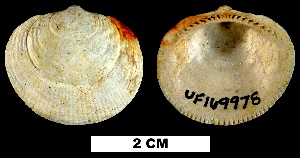
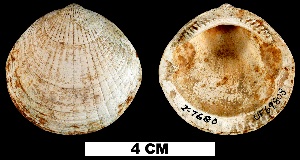
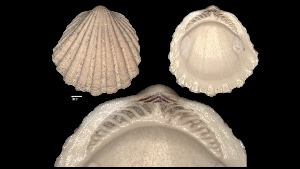
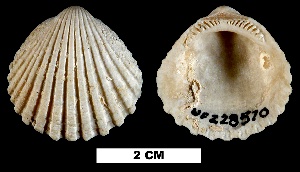
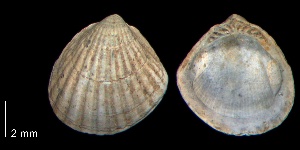
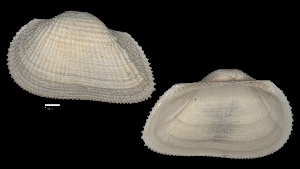
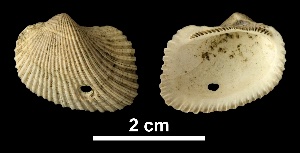
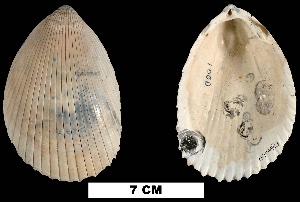
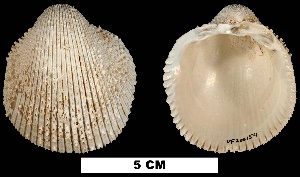
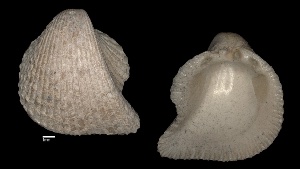
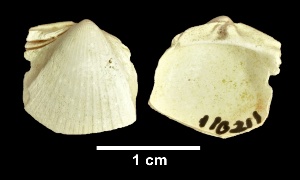
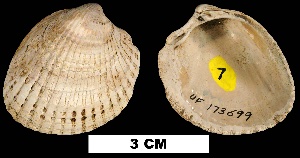
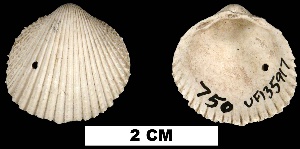
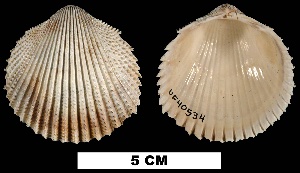
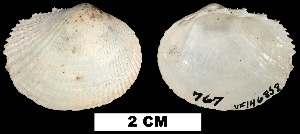
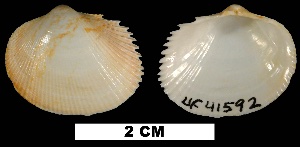
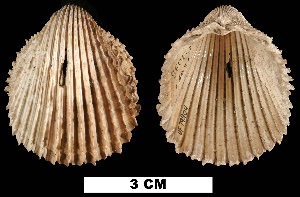
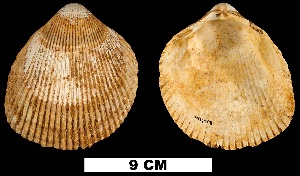
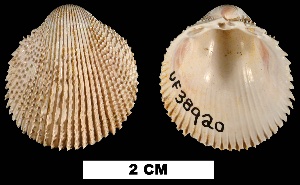
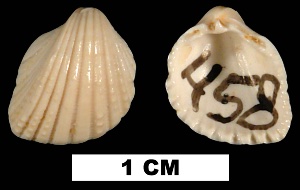
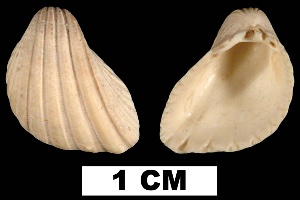
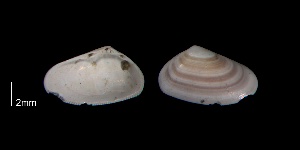
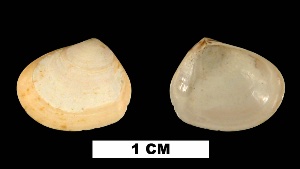
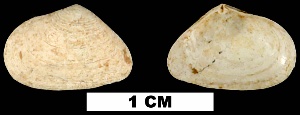
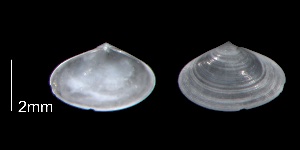
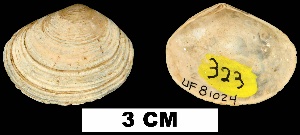
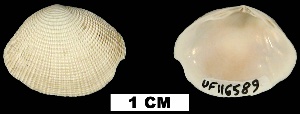
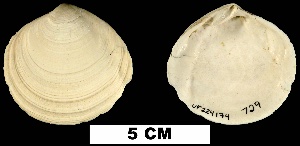
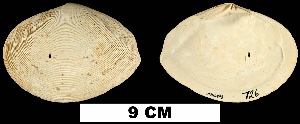
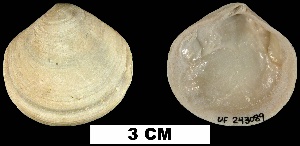
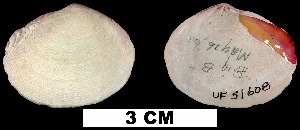
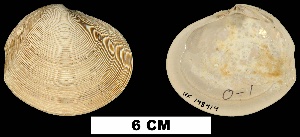
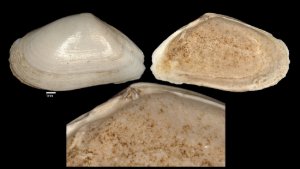
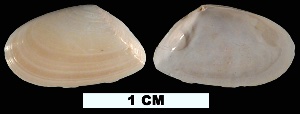
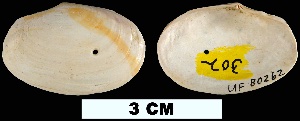
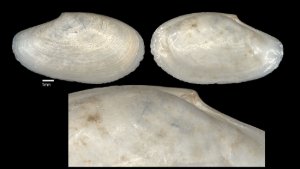
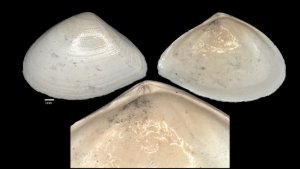
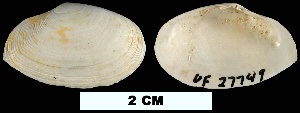
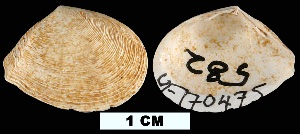
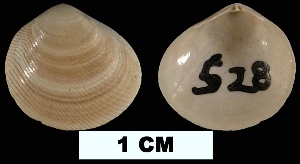
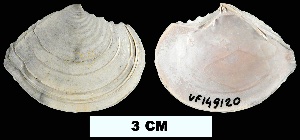
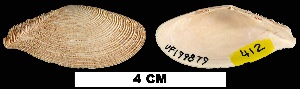
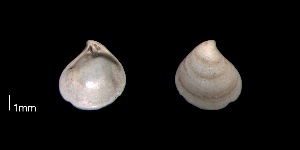
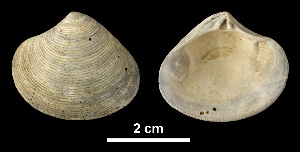
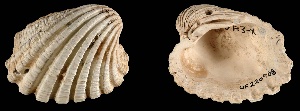
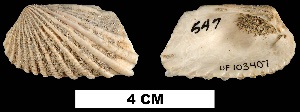
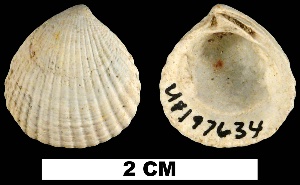
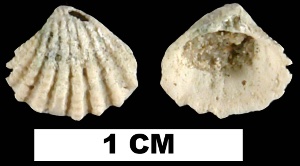
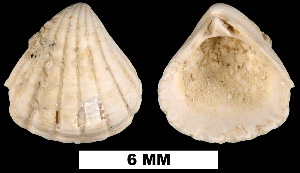
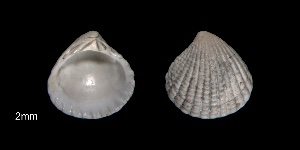
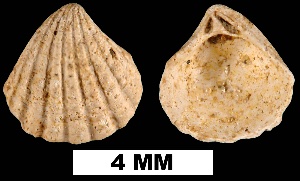
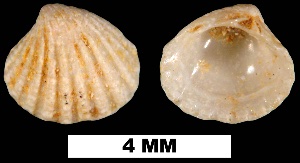
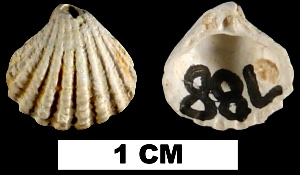
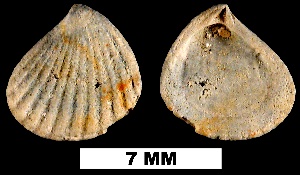
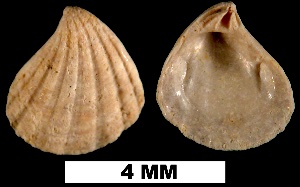
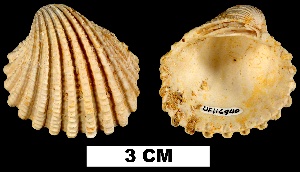
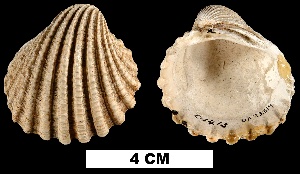
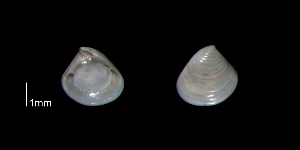
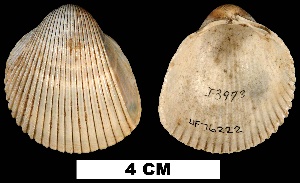
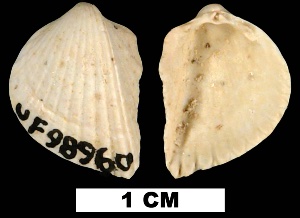
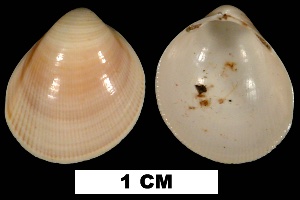
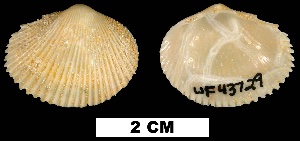
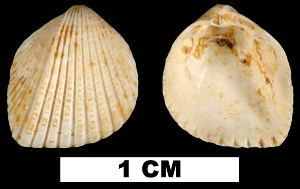
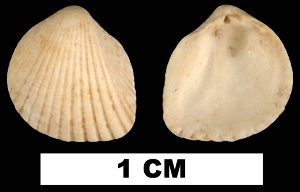
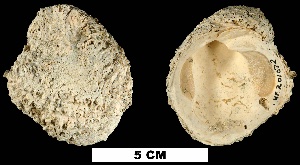
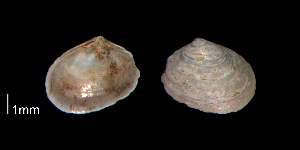
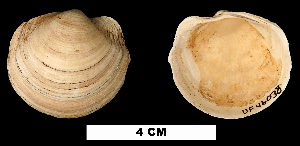
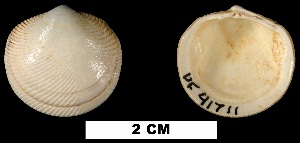
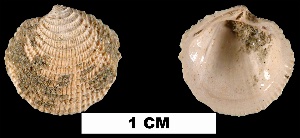
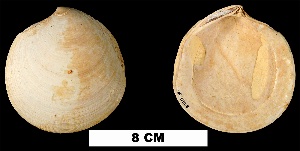
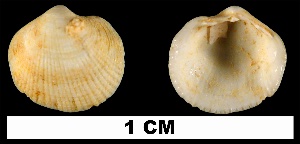
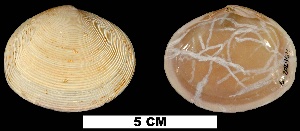
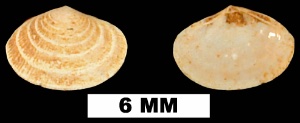
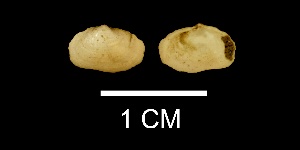
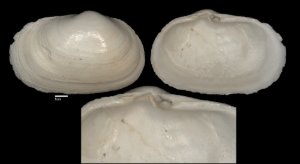
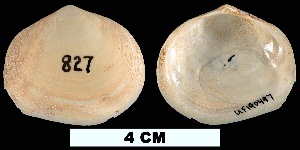
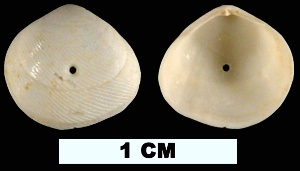
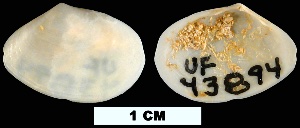
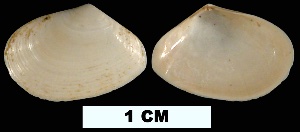
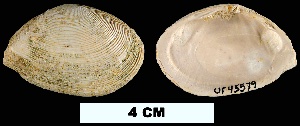
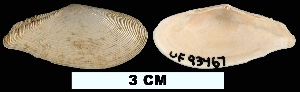
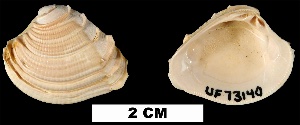
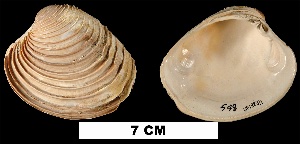
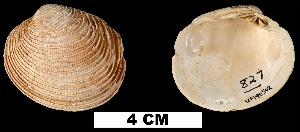
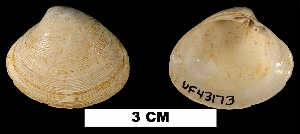
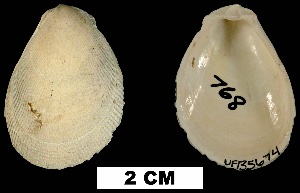
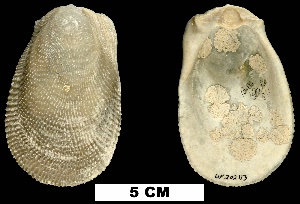
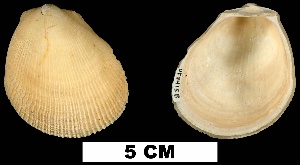
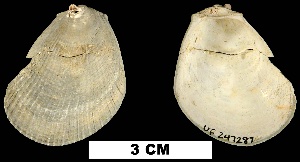
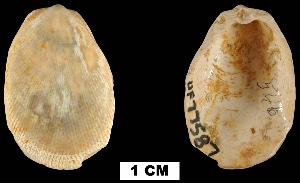
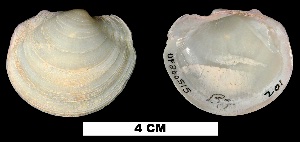
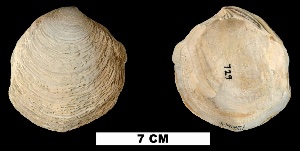
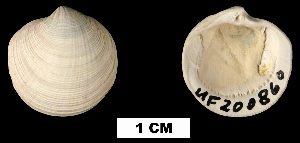
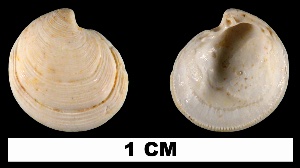
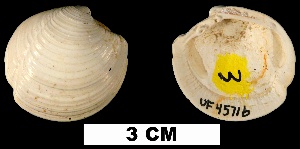
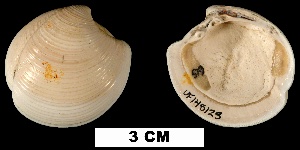
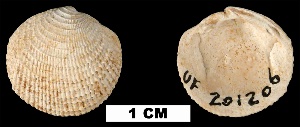
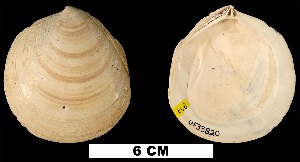
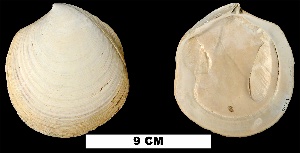
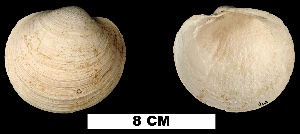
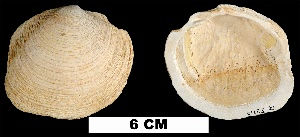
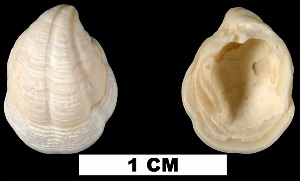
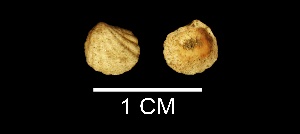
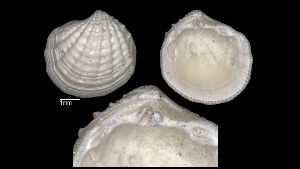
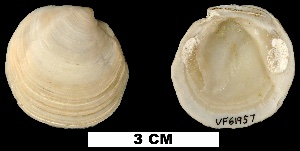
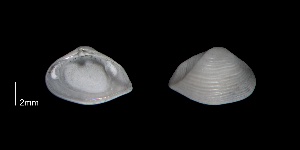
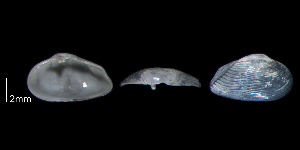
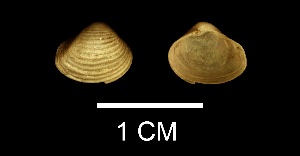
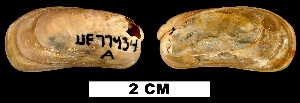
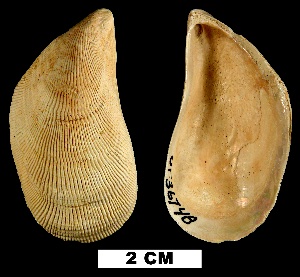
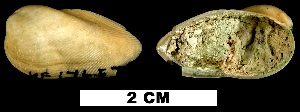
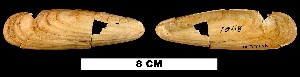
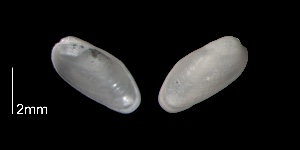
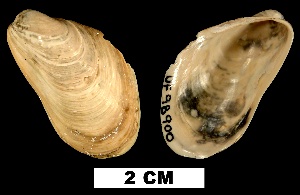
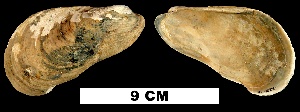
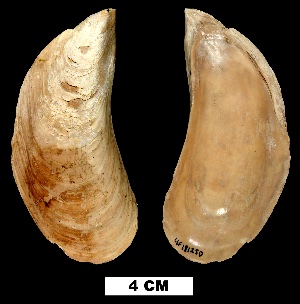
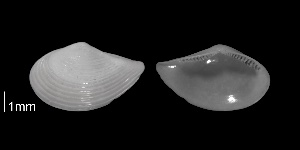
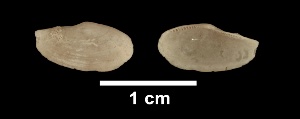
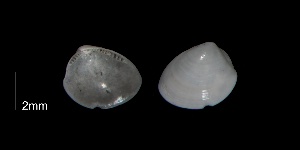
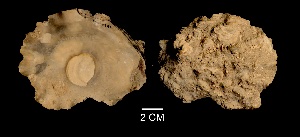
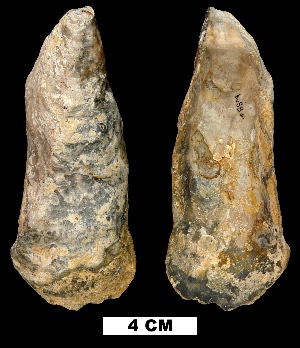
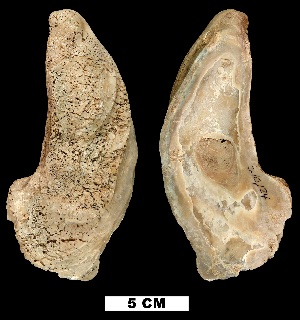
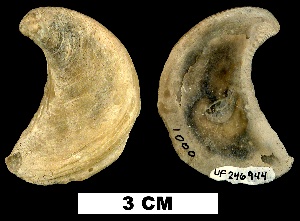
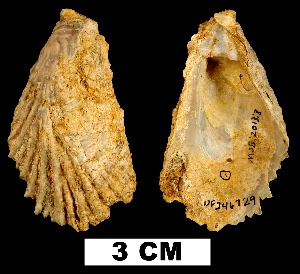
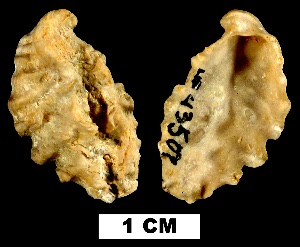
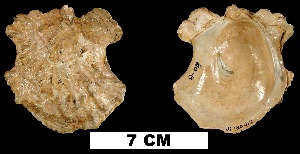
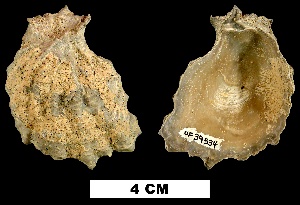
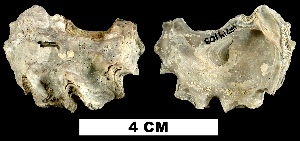
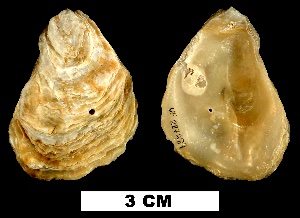
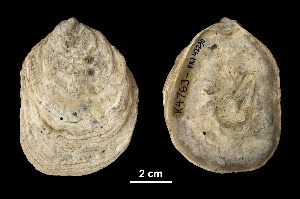
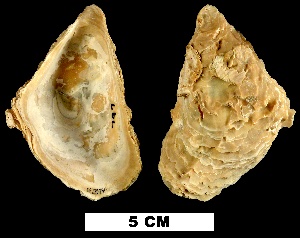
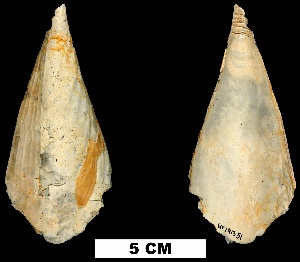
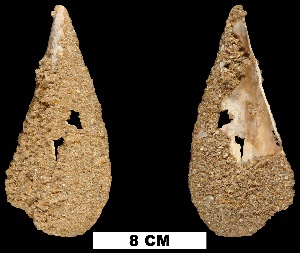
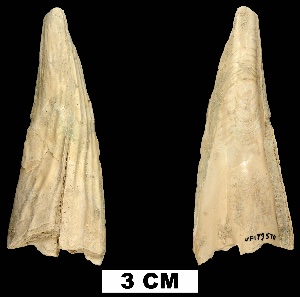
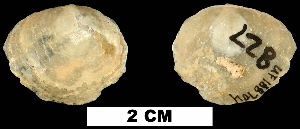
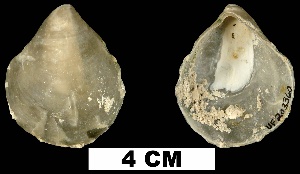
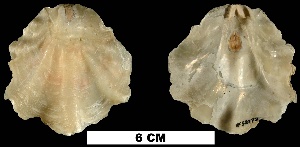
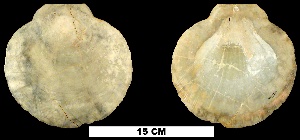
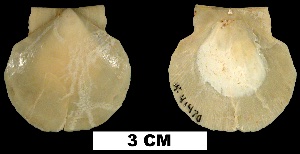
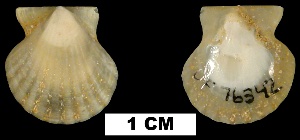
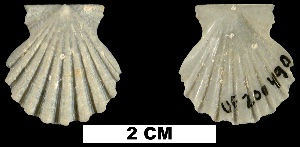
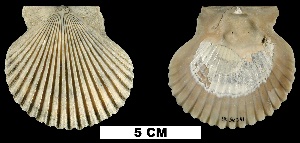
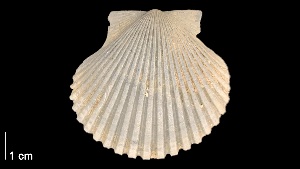
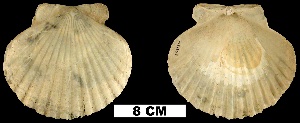
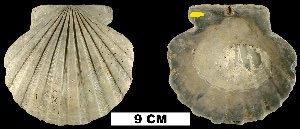
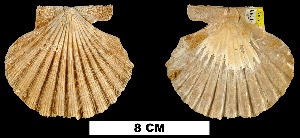
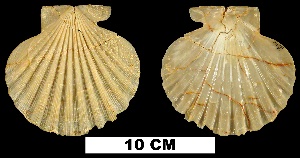
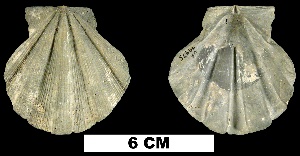
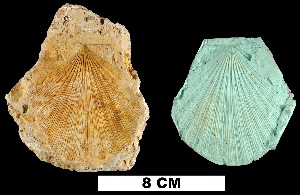
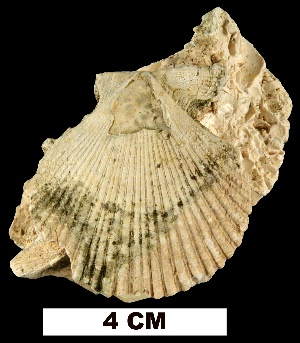
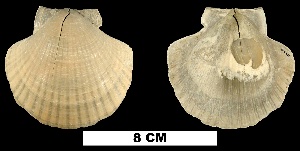
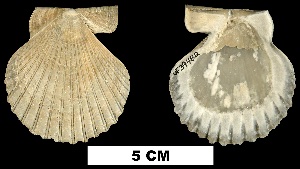
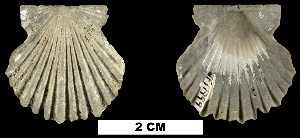
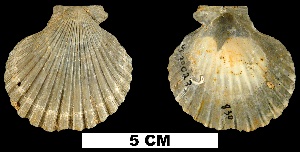
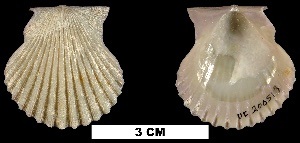
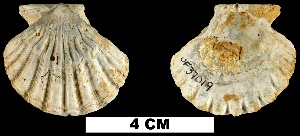
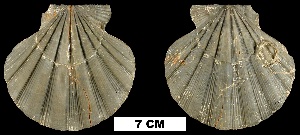
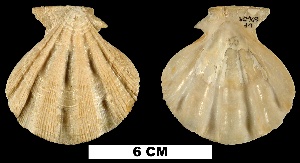
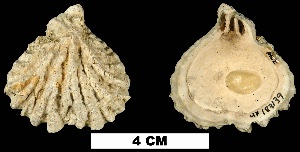
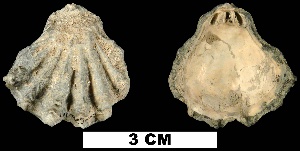
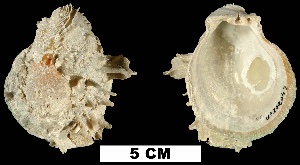
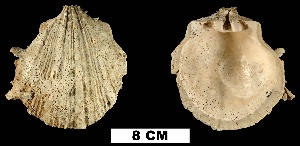
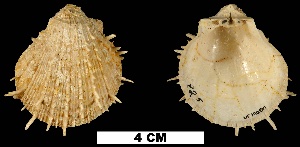
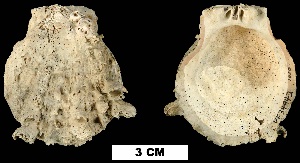
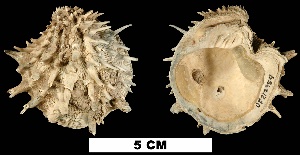
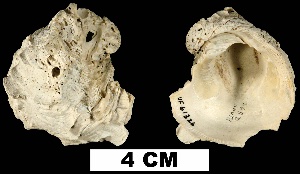
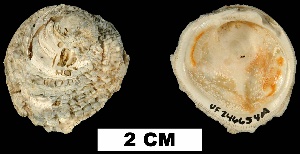
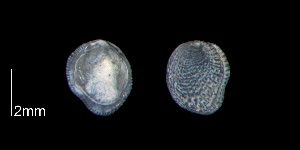
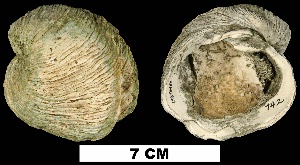
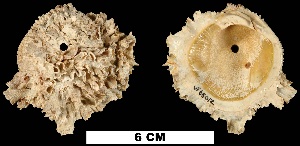
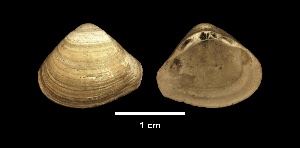
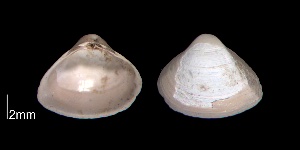
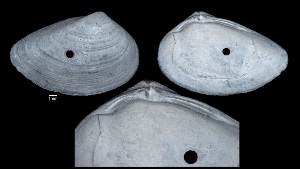
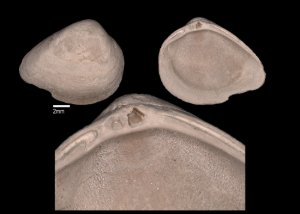
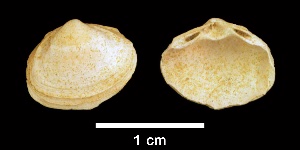
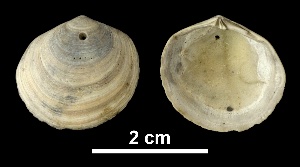
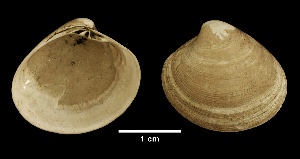
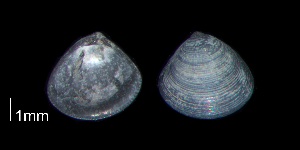
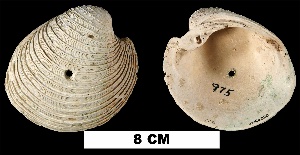
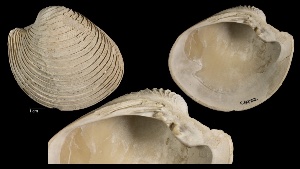
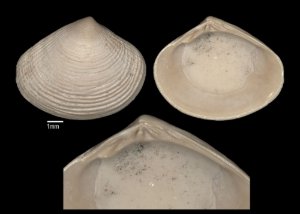
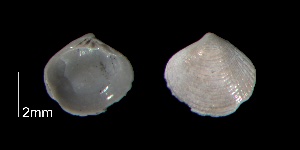
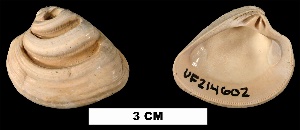
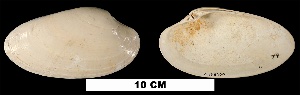
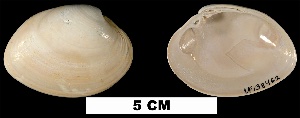
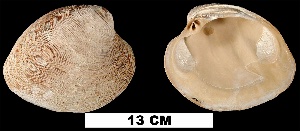
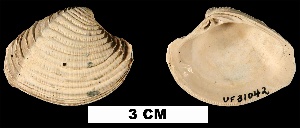
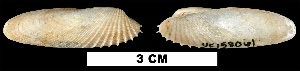
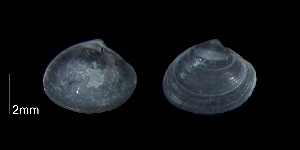
Bivalves include clams, oysters, scallops, and mussels. As their name implies, they have a shell composed of two valves that are connected at a hinge. Most bivalves are sessile, meaning that they do not move around much on the seafloor (an exception are scallops, which can “swim” short distances by flapping their valves together). Bivalves feed by pumping water through their bodies and removing microscopic particles of food from the water.
Some of the major groups (or, orders) of bivalves known from the Neogene fossil record of the southeastern United States are listed below.
296 species
Order Adapedonta 3 species
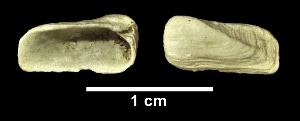
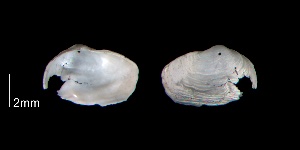
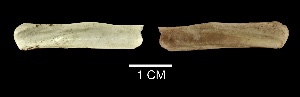
Order Anomalodesmata 2 species
Family Thraciidae 1 species
Genus Thracia 1 species
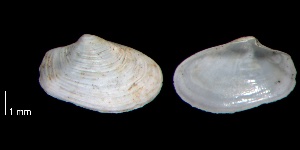
Family Verticordiidae 1 species
Genus Trigonulina 1 species
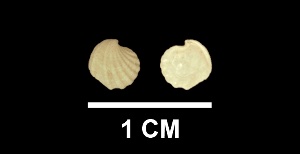
Order Arcida 52 species
Family Arcidae 38 species
Genus Acar 3 species
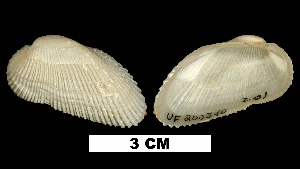
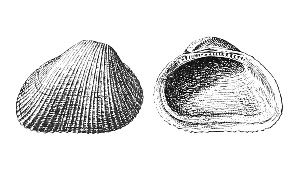
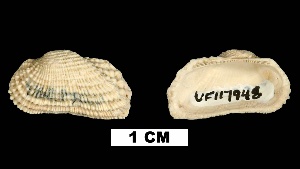
Genus Anadara 24 species
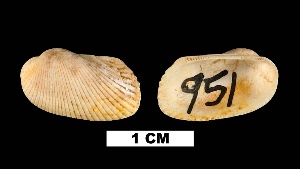 Anadara acompsa (Dall, 1898)
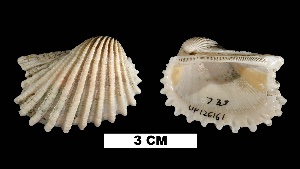 Anadara aequalitas (Tucker and Wilson, 1932)
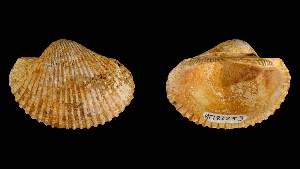 Anadara aresta (Dall, 1898)
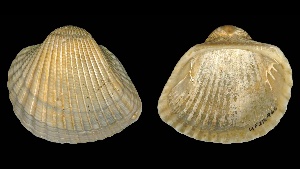 Anadara brasiliana (Lamarck, 1819)
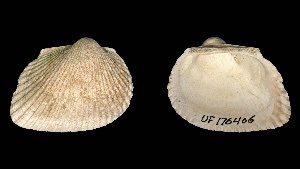 Anadara callicestosa (Dall, 1898)
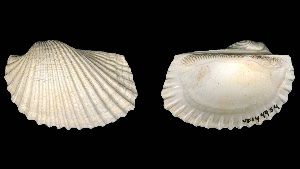 Anadara campsa (Dall, 1898)
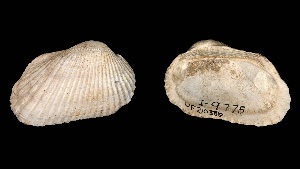 Anadara campyla (Dall, 1898)
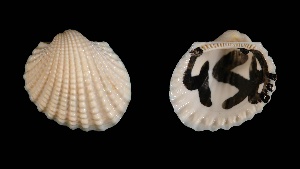 Anadara cardioides (Gardner, 1926)
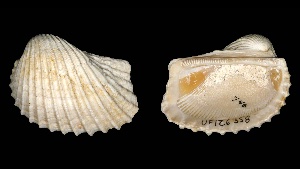 Anadara catasarca (Dall, 1898)
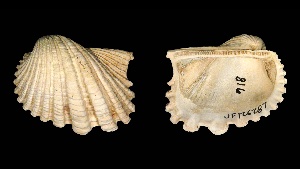 Anadara crassicosta (Heilprin, 1886)
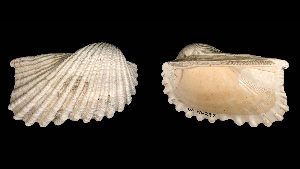 Anadara hoerleae H.E. Vokes, 1969
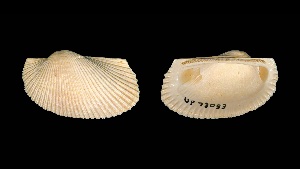 Anadara hypomela (Dall, 1898)
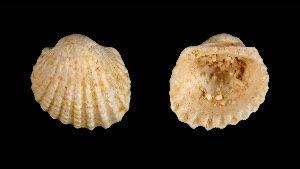 Anadara initiator (Dall, 1898)
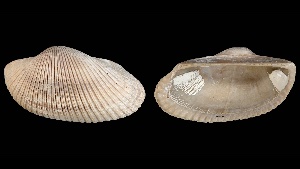 Anadara lienosa (Say, 1832)
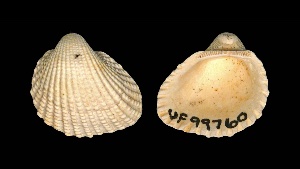 Anadara megerata Olsson and Harbison, 1953
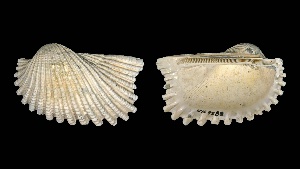 Anadara notoflorida H.E. Vokes, 1969
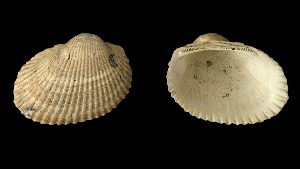 Anadara plicatura (Conrad, 1845)
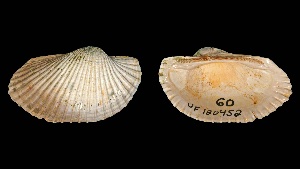 Anadara propearesta (Mansfield, 1932)
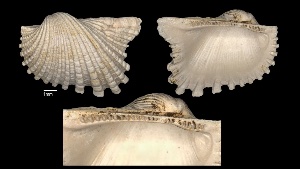 Anadara rustica (Tuomey and Holmes, 1857)
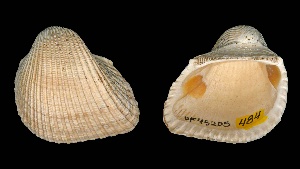 Anadara santarosana (Dall, 1898)
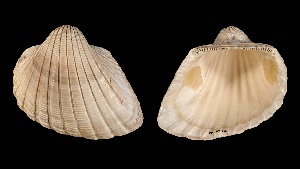 Anadara scalarina (Heilprin, 1886)
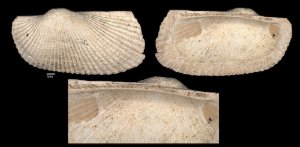 Anadara secticostata (Reeve, 1844)
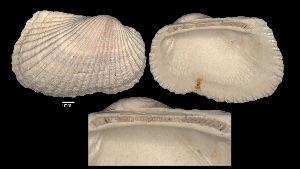 Anadara transversa (Say, 1822)
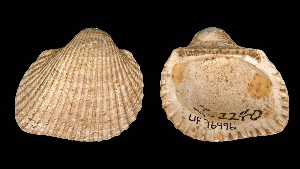 Anadara waltonia (Gardner, 1926)